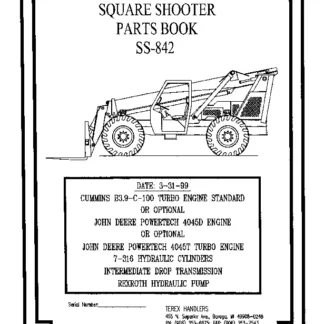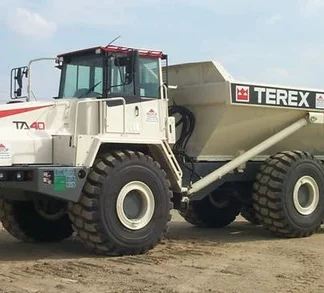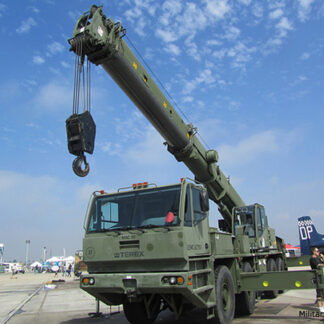

As the owner of Terex equipment, you understand the importance of regular maintenance and timely repairs to keep your machinery running efficiently. While professional service centers offer comprehensive solutions, conducting Terex service and repairs at your home or workshop can be a cost-effective and convenient alternative. This article will provide detailed insights into the essential tools you need, a step-by-step guide to maintenance procedures, common issues and their solutions, and crucial safety precautions to ensure your home-based repairs are as effective and safe as possible.
Essential Tools for Terex Service and Repairs at Home
Having the right tools at your disposal is the first step to successfully conducting Terex service and repairs at home. Basic hand tools such as wrenches, screwdrivers, and pliers are fundamental, but specialized equipment like hydraulic jacks, torque wrenches, and diagnostic scanners are equally important for handling more complex tasks.
Hydraulic jacks and lifts are indispensable when working with heavy machinery. These tools allow you to safely elevate the equipment for better access to undercarriage components, ensuring you can perform thorough inspections and repairs without putting yourself at risk. Investing in high-quality jacks and lifts will pay off in the long run by providing reliable performance and enhanced safety.
A comprehensive set of torque wrenches is another must-have. Proper torque is crucial when tightening bolts and screws to prevent over-tightening or under-tightening, which can lead to equipment failure. Torque wrenches come in various sizes and configurations, so having a diverse set will prepare you for any task that comes your way.
Diagnostic scanners and software are essential for identifying issues that may not be immediately visible. These tools can read error codes, monitor system performance, and provide real-time data, enabling you to pinpoint problems quickly and accurately. Many diagnostic tools are compatible with a range of Terex equipment, making them a versatile addition to your toolkit.
Lubrication equipment, such as grease guns and oil dispensers, are vital for maintaining the moving parts of your Terex machinery. Regular lubrication reduces friction and wear, extending the lifespan of your equipment. Ensure you have the appropriate lubricants recommended by Terex to achieve optimal performance.
Lastly, safety gear is non-negotiable. Items like gloves, safety glasses, and steel-toed boots protect you from potential hazards. A well-stocked first aid kit should also be readily available in your workshop to address any minor injuries that may occur during repairs.
Step-by-Step Guide to Terex Maintenance Procedures
Conducting regular maintenance on your Terex equipment is crucial for optimal performance and longevity. Begin with a thorough inspection of the machinery. Look for signs of wear and tear, such as cracks, leaks, or loose components. Document any issues you find to address them in your maintenance routine.
Next, focus on the engine and hydraulic systems. Change the engine oil and replace the oil filter according to the manufacturer’s recommendations. Clean or replace the air filters to ensure the engine runs efficiently. Check the hydraulic fluid levels and top them up if necessary. Inspect hydraulic hoses and fittings for signs of damage or leaks, and replace any compromised components.
The undercarriage of your Terex equipment requires special attention. Clean the tracks or wheels to remove debris that could cause damage or affect performance. Check the tension of the tracks and adjust them if needed. Inspect the rollers, idlers, and sprockets for wear and replace any worn parts to prevent further damage.
Electrical systems are another critical area to maintain. Inspect the battery for corrosion and clean the terminals if needed. Check all wiring and connections for signs of wear or damage. Test the lights, indicators, and other electrical components to ensure they are functioning correctly.
Lubrication is a key aspect of maintenance. Use a grease gun to lubricate all moving parts, including bearings, joints, and pins. Follow the lubrication schedule provided in the Terex manual to ensure you cover all necessary points. Regular lubrication reduces friction and wear, enhancing the performance and lifespan of your equipment.
Finally, perform a functional test of the equipment. Operate all controls and systems to ensure they are working correctly. Listen for unusual noises and observe the machinery for any signs of malfunction. Address any issues immediately to prevent more significant problems down the line.
For more detailed maintenance procedures and schedules, refer to the Terex manual.
Common Issues and Solutions in Terex Equipment
Terex equipment, like all heavy machinery, is prone to certain common issues. One frequent problem is hydraulic system failure. This can be caused by contaminated fluid, worn-out seals, or damaged hoses. To resolve this, regularly check and replace hydraulic fluids, and inspect hoses and seals for wear and tear.
Another common issue is engine overheating. This can result from a clogged radiator, low coolant levels, or a malfunctioning thermostat. Regularly clean the radiator, check coolant levels, and replace the thermostat if necessary to prevent overheating.
Electrical problems are also prevalent in Terex equipment. Faulty wiring, dead batteries, and malfunctioning sensors can cause various issues, from starting problems to operational failures. Regularly inspect and maintain the electrical system, replace worn-out batteries, and ensure all sensors are functioning correctly.
Undercarriage wear is a significant concern, especially for equipment that operates in harsh conditions. Tracks, rollers, and idlers can wear out quickly, leading to decreased performance and potential damage. Regularly inspect and maintain the undercarriage components, replace worn parts, and ensure proper track tension.
Brake system issues can compromise the safety and performance of your Terex equipment. Common problems include worn brake pads, damaged rotors, and air in the brake lines. Regularly inspect the brake system, replace worn components, and bleed the brakes to ensure optimal performance.
Finally, operational inefficiencies can arise from various sources, such as clogged filters, worn-out belts, or misaligned components. Regular maintenance, including filter replacements, belt inspections, and alignment checks, can help prevent these issues and keep your Terex equipment running smoothly.
For more detailed troubleshooting guides and solutions, refer to the Terex manual.
Safety Precautions for Home-Based Terex Repairs
Safety should be your top priority when conducting Terex repairs at home. Begin by ensuring your workspace is clean, well-lit, and free of clutter. A tidy workshop reduces the risk of accidents and allows you to focus on the task at hand.
Always wear appropriate safety gear, including gloves, safety glasses, and steel-toed boots. These items protect you from potential hazards, such as sharp edges, flying debris, and heavy objects. Additionally, wearing a dust mask or respirator is advisable when working in dusty or confined spaces.
Before starting any repair, ensure the equipment is securely supported and immobilized. Use hydraulic jacks and stands to lift and stabilize the machinery. Never work under unsupported equipment, as this poses a significant risk of injury or death.
Disconnect the power source before performing any electrical repairs. This prevents accidental shocks and ensures your safety while working on the electrical system. Additionally, use insulated tools to minimize the risk of electrical accidents.
Follow the manufacturer’s guidelines and procedures for all repairs and maintenance tasks. The Terex manual provides detailed instructions and safety precautions for each procedure. Adhering to these guidelines ensures you perform the repairs correctly and safely.
Finally, keep a first aid kit readily available in your workshop. Accidents can happen, and being prepared to address minor injuries promptly can prevent more serious complications. Regularly check and replenish the first aid kit to ensure it is always fully stocked.
For more detailed safety guidelines and procedures, refer to the Terex manual.
Conducting Terex service and repairs at your home or workshop can be a rewarding and cost-effective alternative to professional service centers. By equipping yourself with the essential tools, following a step-by-step maintenance guide, addressing common issues promptly, and adhering to strict safety precautions, you can ensure your Terex equipment remains in excellent condition. For comprehensive manuals and detailed instructions, always refer to the Terex manual. Your commitment to proper maintenance and repairs will pay off in the form of reliable, efficient, and long-lasting equipment.