
Owning and operating a Terex engine can be a rewarding experience, particularly when you understand its intricacies and how to maintain it effectively. Whether you’re a seasoned operator or new to heavy machinery, becoming familiar with the operation and maintenance of your Terex engine is crucial for optimal performance and longevity. In this article, we’ll delve into the basics of your Terex engine, its key components, routine maintenance tips, and troubleshooting common issues. By the end, you’ll have a comprehensive understanding of how to keep your engine running smoothly.
Understanding the Basics of Your Terex Engine
Understanding the basics of your Terex engine begins with recognizing its primary purpose and functionalities. Terex engines are designed to power heavy-duty machinery and equipment, providing the necessary force and reliability for demanding tasks. These engines are built to withstand harsh conditions and heavy loads, making them a staple in construction, mining, and other industrial applications. Familiarizing yourself with the engine’s specifications, such as horsepower, torque, and fuel type, is the first step in ensuring proper operation.
The operation of a Terex engine involves several key processes, including fuel intake, combustion, and exhaust. Each of these processes must function seamlessly to achieve optimal engine performance. The fuel intake system ensures the engine receives the correct amount of fuel, while the combustion process generates the power needed to drive the machinery. Finally, the exhaust system expels the byproducts of combustion, maintaining engine efficiency and environmental compliance.
It’s also essential to understand the various operational modes of your Terex engine. Many Terex engines come equipped with different power settings and modes to suit various tasks and conditions. Understanding how to adjust these settings can help you optimize fuel efficiency and performance, depending on the specific requirements of your operation.
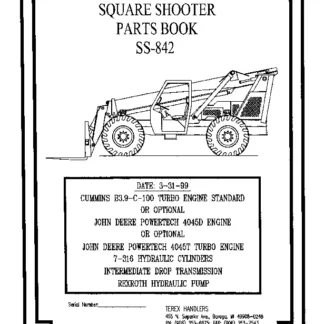
Regularly reviewing the engine’s user manual is crucial for understanding its operation. The manual provides detailed instructions on starting, operating, and shutting down the engine, as well as safety precautions and troubleshooting tips. You can find comprehensive Terex engine manuals at Terex Manuals.
Operator training is another critical aspect of understanding your Terex engine. Proper training ensures that operators are familiar with the controls, indicators, and safety features of the engine. Training programs often cover essential topics such as engine start-up procedures, load handling, and emergency shutdown protocols.
Lastly, it’s important to stay updated with any software or firmware updates for your Terex engine. Manufacturers often release updates to improve engine performance, fix bugs, and enhance safety features. Keeping your engine’s software current ensures you benefit from the latest advancements and maintain optimal operation.
Key Components and Their Functions
The key components of a Terex engine are integral to its performance and functionality. Understanding these components and their functions can help you diagnose issues and perform routine maintenance more effectively. The primary components include the engine block, cylinder head, pistons, crankshaft, and camshaft.
The engine block is the foundation of the Terex engine, housing the cylinders and other essential parts. It’s typically made of cast iron or aluminum and provides structural integrity to the engine. The cylinders, located within the engine block, are where the combustion process takes place, converting fuel into mechanical energy.
The cylinder head sits atop the engine block and contains the intake and exhaust valves, spark plugs, and fuel injectors. It plays a crucial role in controlling the flow of air and fuel into the cylinders and the expulsion of exhaust gases. The proper functioning of the cylinder head is vital for efficient combustion and overall engine performance.
Pistons are essential components that move up and down within the cylinders, driven by the combustion process. They are connected to the crankshaft via connecting rods. As the pistons move, they turn the crankshaft, converting the linear motion of the pistons into rotational motion that powers the machinery.
The crankshaft is a critical component that converts the pistons’ linear motion into rotational motion. It is connected to the flywheel, which helps smooth out the engine’s power delivery. The crankshaft’s rotation is essential for driving the machinery and ensuring smooth operation.
The camshaft controls the opening and closing of the engine’s intake and exhaust valves. It is synchronized with the crankshaft via a timing belt or chain. Proper timing of the camshaft is crucial for efficient combustion and engine performance. Misalignment of the camshaft can lead to poor engine performance and potential damage.
Understanding the functions of these key components can help you identify potential issues and maintain your Terex engine effectively. Regularly inspecting and servicing these components can prevent major breakdowns and extend the engine’s lifespan. For detailed information on each component, refer to the Terex engine manuals available at Terex Manuals.
Routine Maintenance Tips for Longevity
Routine maintenance is essential for extending the lifespan of your Terex engine and ensuring reliable performance. One of the most critical aspects of maintenance is regular oil changes. Engine oil lubricates the moving parts, reduces friction, and helps dissipate heat. Over time, oil can become contaminated with dirt and debris, reducing its effectiveness. Regularly changing the oil and oil filter can prevent engine wear and maintain optimal performance.
Air filters are another crucial component that requires regular maintenance. The air filter prevents dust and debris from entering the engine’s combustion chamber. A clogged air filter can restrict airflow, leading to poor engine performance and increased fuel consumption. Regularly inspecting and replacing the air filter ensures that your engine receives clean air for efficient combustion.
Fuel system maintenance is also vital for the longevity of your Terex engine. Contaminated fuel can cause blockages in the fuel injectors and reduce engine performance. Regularly inspecting and cleaning the fuel system, including the fuel tank, fuel lines, and injectors, can prevent these issues. Using high-quality fuel and additives can also help maintain a clean fuel system.
Cooling system maintenance is essential to prevent engine overheating. The cooling system regulates the engine’s temperature by circulating coolant through the engine block and radiator. Regularly checking the coolant level and inspecting the radiator, hoses, and water pump for leaks or damage can prevent overheating and potential engine damage.
Battery maintenance is often overlooked but is crucial for reliable engine operation. Regularly inspecting the battery terminals for corrosion and ensuring a secure connection can prevent starting issues. Keeping the battery charged and replacing it when necessary ensures that your engine starts reliably, even in cold weather.
Finally, regular inspections and tune-ups are essential for maintaining your Terex engine’s performance. During a tune-up, a technician will inspect and adjust various engine components, including the ignition system, fuel system, and valve timing. Regular tune-ups can identify potential issues before they become major problems and ensure that your engine continues to operate at peak performance.
For detailed maintenance schedules and procedures, refer to the Terex engine manuals available at Terex Manuals. These manuals provide comprehensive guidelines for maintaining your engine and ensuring its longevity.
Troubleshooting Common Terex Engine Issues
Even with regular maintenance, Terex engines can experience issues that require troubleshooting. One common issue is engine overheating. If your engine is running hotter than usual, it could be due to a low coolant level, a faulty thermostat, or a clogged radiator. Checking the coolant level and inspecting the cooling system components can help identify the cause of overheating.
Another common issue is poor engine performance. If your engine is running rough, misfiring, or lacking power, it could be due to a variety of factors, including a clogged air filter, dirty fuel injectors, or ignition system problems. Inspecting and cleaning the air filter, fuel system, and spark plugs can help resolve these issues.
Starting problems are also common with Terex engines. If your engine is difficult to start or won’t start at all, it could be due to a weak battery, faulty starter motor, or fuel delivery issues. Checking the battery voltage, inspecting the starter motor, and ensuring the fuel system is functioning properly can help diagnose and fix starting problems.
Excessive smoke from the exhaust is another issue that can indicate engine problems. Blue smoke can indicate oil burning, while black smoke can indicate a rich fuel mixture. White smoke can indicate coolant entering the combustion chamber. Identifying the color of the smoke and inspecting the relevant components can help determine the cause and necessary repairs.
Unusual noises from the engine can also indicate potential issues. Knocking or pinging sounds can indicate problems with the combustion process, while grinding or squealing noises can indicate issues with the engine’s moving parts. Regularly inspecting and servicing the engine can help identify and resolve these issues before they lead to major damage.
Lastly, regular diagnostic checks can help identify potential issues before they become major problems. Many modern Terex engines come equipped with onboard diagnostic systems that can alert you to potential issues. Using diagnostic tools and software to regularly check the engine’s performance can help prevent unexpected breakdowns and ensure reliable operation.
For detailed troubleshooting guides and diagnostic procedures, refer to the Terex engine manuals available at Terex Manuals. These manuals provide comprehensive information on identifying and resolving common engine issues.
By becoming familiar with the operation and maintenance of your Terex engine, you can ensure its reliable performance and longevity. Understanding the basics of your engine, recognizing key components and their functions, following routine maintenance tips, and troubleshooting common issues are all essential steps in achieving optimal engine performance. Regularly consulting the Terex engine manuals and staying updated with the latest advancements can further enhance your knowledge and ability to maintain your engine effectively. For detailed information and guidance, be sure to visit Terex Manuals. With proper care and maintenance, your Terex engine can continue to power your operations efficiently and reliably for years to come.